The allure of chance and unpredictability
The fundamental appeal of casino games lies in their inherent randomness and unpredictability. Humans are naturally drawn to chance, as it taps into our desire for excitement and the thrill of the unknown. This unpredictable nature of games like slots, roulette, and poker creates an adrenaline rush, stimulating the brain’s reward system. When players experience winning streaks or sudden windfalls, the dopamine release reinforces their behavior, encouraging them to continue playing for that elusive high. In recent years, the introduction of a new online casino has further enhanced the excitement of not knowing what the next spin or deal will bring, playing a significant role in attracting players to the gaming floor.
Moreover, the psychological phenomenon known as ‘variable reward schedules’ plays a significant role in maintaining engagement. Unlike fixed rewards, which can lead to predictable outcomes, variable rewards keep players guessing. This uncertainty fuels anticipation and can lead to a state known as “the gambler’s fallacy,” where individuals believe they can outsmart chance or predict the next outcome based on previous results. This cognitive bias not only enhances the thrill of the game but also deepens the psychological connection players have with gambling. The anticipation of a potential win amplifies excitement, making each spin or hand feel like a new adventure.
Additionally, the social aspect of gambling cannot be overlooked. Casino environments are designed to promote interaction, whether through table games or shared experiences in slots lounges. This connection with others can intensify the thrill of the game, making it not just a solitary activity but a communal one that fosters camaraderie and shared excitement. The combination of chance, anticipation, and social interaction creates a potent mix that keeps players returning to the tables and machines, as they seek not only individual wins but also the collective joy of celebrating victories with fellow players.
The role of emotions in gaming
Emotions play a substantial role in the allure of casino games, impacting both decision-making and gaming experiences. The excitement of winning, for instance, triggers happiness and satisfaction, while the stress of potential loss can incite anxiety. This complex emotional landscape can cause players to bet more than they intended, particularly when they are riding a high from a recent win or feeling pressured by losses. The emotional rollercoaster of gambling can lead to impulsive decisions, further complicating the relationship between a player and the game. Emotions can drive players to chase losses or increase bets in moments of elation, often without a clear understanding of the potential consequences.
On the other hand, these emotional highs and lows can lead to a phenomenon known as ‘loss chasing.’ Players may feel compelled to recover their losses and, in doing so, override rational thinking. This behavior can result in significant financial implications and psychological consequences, often leading to addiction or compulsive gambling behaviors. Recognizing the emotional triggers that lead to such decisions is crucial for players who aim to enjoy games responsibly. It’s essential to strike a balance between emotion and rationality, ensuring that the thrill of the game does not lead to harmful outcomes.
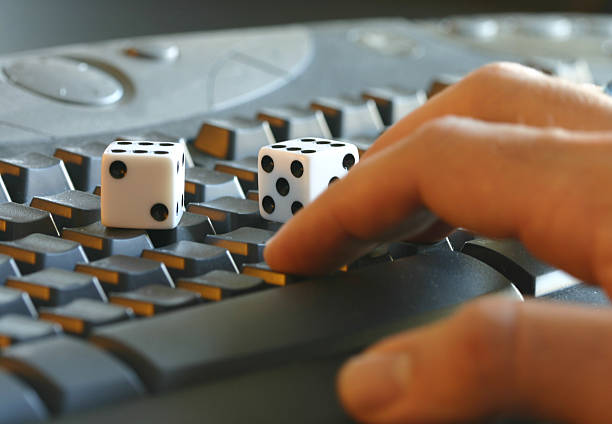
The design of casino environments also plays a role in eliciting emotional responses. Bright lights, engaging sounds, and vibrant colors are strategically used to create a stimulating atmosphere that keeps players engaged. These sensory cues can elevate emotions, with winning sounds amplifying excitement and loss sounds heightening disappointment. By carefully curating these elements, casinos ensure that players remain captivated and emotionally invested, extending their playtime and, ultimately, their spending. The emotional connection players develop with these stimuli can make leaving the casino even more difficult, as they seek to recreate those feelings of joy and excitement.
The impact of cognitive biases
Cognitive biases significantly influence how individuals perceive and interact with casino games. One such bias is the ‘illusion of control,’ where players believe they can influence outcomes through skill or strategy, especially in games that involve an element of choice, such as poker or blackjack. This belief can lead to overconfidence, encouraging players to underestimate the house edge and overestimate their chances of winning, ultimately increasing their time and money spent at the tables. The allure of skill-based games can create a false sense of mastery, leading players to think they can beat the odds with their strategies.
Another prevalent cognitive bias is the ‘sunk cost fallacy,’ where players continue investing in a game due to the money they’ve already spent, rather than assessing it on the current potential for winning. This can lead to irrational decision-making, as players are driven by a desire to recover losses rather than making informed choices. Such biases illustrate the importance of awareness in gambling activities, emphasizing the need for players to understand their thought processes while engaging in games. Being mindful of these biases can help players make more rational decisions and avoid falling into traps that lead to excessive gambling.
Additionally, the concept of ‘hot hand fallacy’ perpetuates the belief that past performance can predict future outcomes. Players may think that they are experiencing a winning streak and continue betting in hopes that their luck will persist. These cognitive distortions can create a cycle of repetitive gambling behavior, compounding the psychological effects of playing and the risk of addiction. Recognizing these biases is crucial for fostering responsible gambling practices and mitigating negative outcomes. Players who understand these psychological phenomena can cultivate healthier gaming habits and enjoy their experiences more responsibly.
The influence of marketing and design in casinos
Marketing strategies and casino design are intentionally crafted to enhance the gaming experience and encourage prolonged engagement. From branding that evokes excitement to the arrangement of games within the casino floor, every element is carefully considered to draw players in. Promotions, such as free spins or loyalty rewards, leverage psychological triggers, prompting players to feel valued and encouraging them to gamble more as they perceive greater benefits. These marketing tactics create a persuasive environment where the line between enjoyment and compulsion can blur, making it essential for players to remain vigilant about their gaming habits.
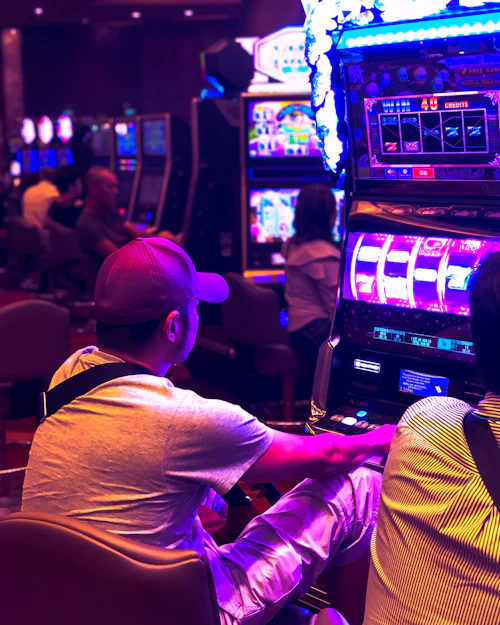
The layout of the casino itself is designed to disorient and captivate players. The absence of clocks and windows, combined with an intricate maze of games, prevents players from tracking time and encourages them to lose themselves in the thrill of the experience. This strategic design fosters a sense of detachment from reality, allowing players to immerse themselves fully in the gaming environment and forget about external pressures or responsibilities, making it easier to gamble for extended periods. This design philosophy is a powerful tool that casinos use to maximize player engagement.
Additionally, many casinos employ staff who are trained to create a welcoming atmosphere through friendly interactions, which can enhance the overall experience. This personalized touch fosters a sense of community and belonging, making players more inclined to return. By combining effective marketing strategies with thoughtful design, casinos maximize their ability to engage players emotionally and psychologically, reinforcing the desire to come back for more thrilling experiences. Such strategies highlight the importance of a holistic approach in promoting gaming as a form of entertainment while also raising awareness about responsible gambling practices.
Understanding responsible gaming and awareness
Understanding the psychological aspects of casino gaming is crucial for promoting responsible gaming and awareness. Education about the cognitive biases and emotional influences at play can empower players to make more informed choices, leading to healthier gambling habits. By recognizing when excitement turns into irresponsible behavior, players can take steps to set limits or even seek help if they find themselves struggling with gambling-related issues. This awareness is essential not only for individual players but also for fostering a culture of responsible gambling within the gaming community.
Casino operators also play an essential role in fostering responsible gaming environments. Many establishments are adopting practices to encourage self-awareness among players, such as offering tools for tracking playtime and expenditures. Additionally, providing resources for problem gambling and promoting awareness campaigns helps create a culture of accountability and support. These measures not only benefit players but enhance the overall reputation of the gaming industry, balancing enjoyment with responsibility in every gaming experience.
Ultimately, understanding the psychology behind why we play casino games is key to balancing enjoyment with responsibility. As players learn to navigate their emotions and cognitive biases, they can enjoy the thrill of the game while maintaining control. By fostering an environment of awareness and support, the gaming industry can contribute to a safer and more enjoyable experience for all players, ensuring that gambling remains a source of entertainment rather than a risk to well-being. Responsible gaming practices not only safeguard individuals but also ensure that the gaming community thrives in a sustainable and positive manner.